
"Why is my concrete cracking?" is one of the most common questions any concrete contractor hears — and for good reason. Nearly every driveway, patio, walkway, and foundation develops some cracking eventually. The real question isn't whether concrete will crack. It's whether the cracking you're seeing is cosmetic or a sign of a real problem underneath.
Concrete Etc., Inc. has diagnosed and repaired cracked concrete across Santa Clarita Valley, San Fernando Valley, San Gabriel Valley, and Los Angeles County for almost two decades. Here's how to tell the difference.
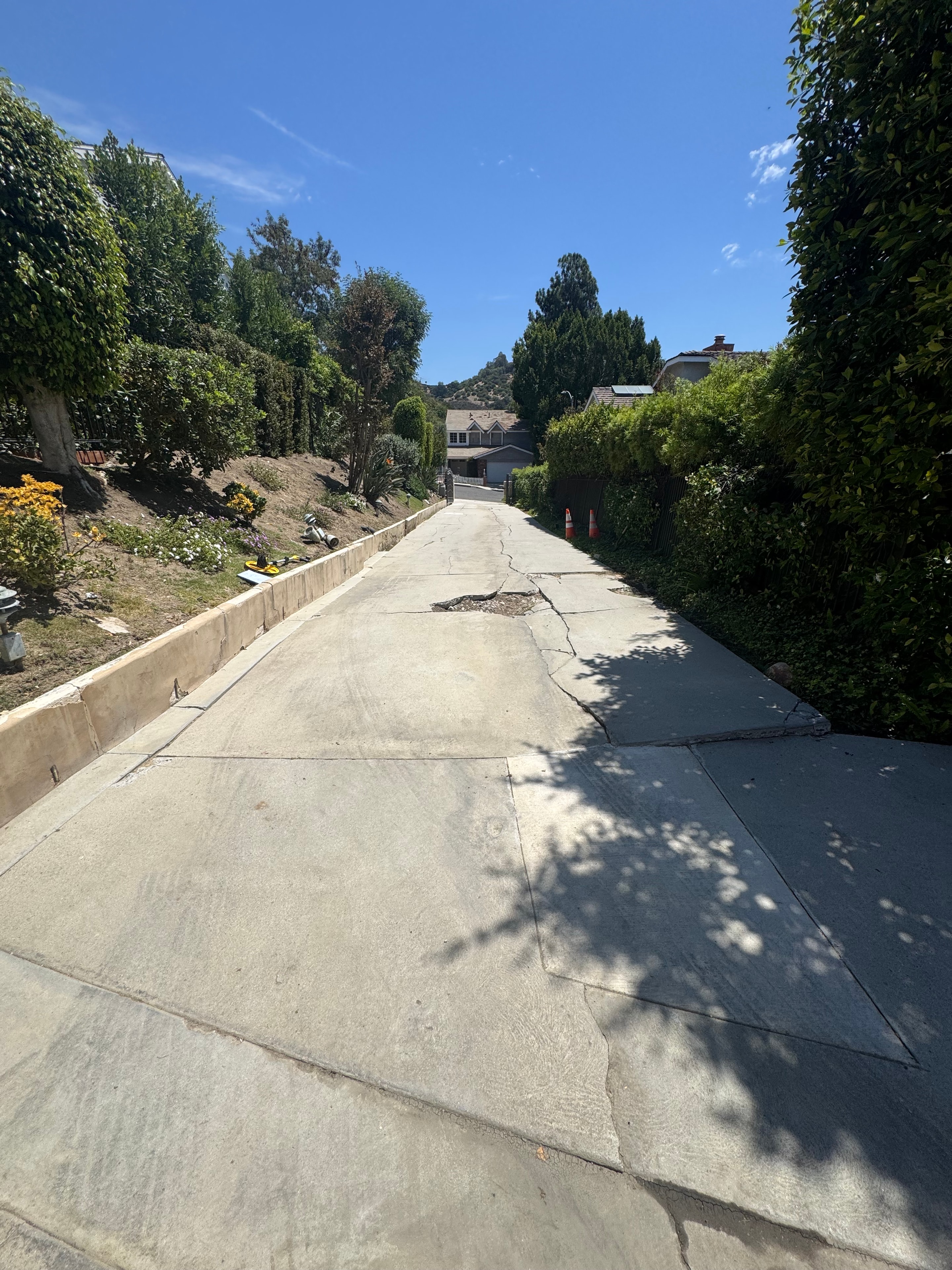
Why All Concrete Eventually Cracks
Concrete is strong in compression but weak in tension, which means it's designed to crack — the goal of good construction is controlling where and how, not preventing it entirely. A few things drive most cracking:
- Drying shrinkage. As a slab cures, water in the mix evaporates and the concrete contracts slightly. Control joints (the straight grooves cut into a concrete driveway or patio) are placed specifically so this shrinkage happens along a clean, planned line instead of a random crack across the middle of the slab.
- Soil movement. The ground beneath a slab isn't static. It expands when it absorbs moisture and contracts as it dries, and it can settle unevenly over time. Concrete doesn't flex, so when the soil underneath it moves, the slab either cracks or the whole section shifts.
- Temperature swings. Concrete expands slightly in heat and contracts in cooler temperatures. Without enough properly spaced joints, that repeated movement eventually shows up as cracking, especially on large uninterrupted slabs like driveways.
- Load and impact. Heavy vehicles, dropped equipment, or a slab that wasn't designed for the load it's carrying can all crack concrete at the surface or edges.
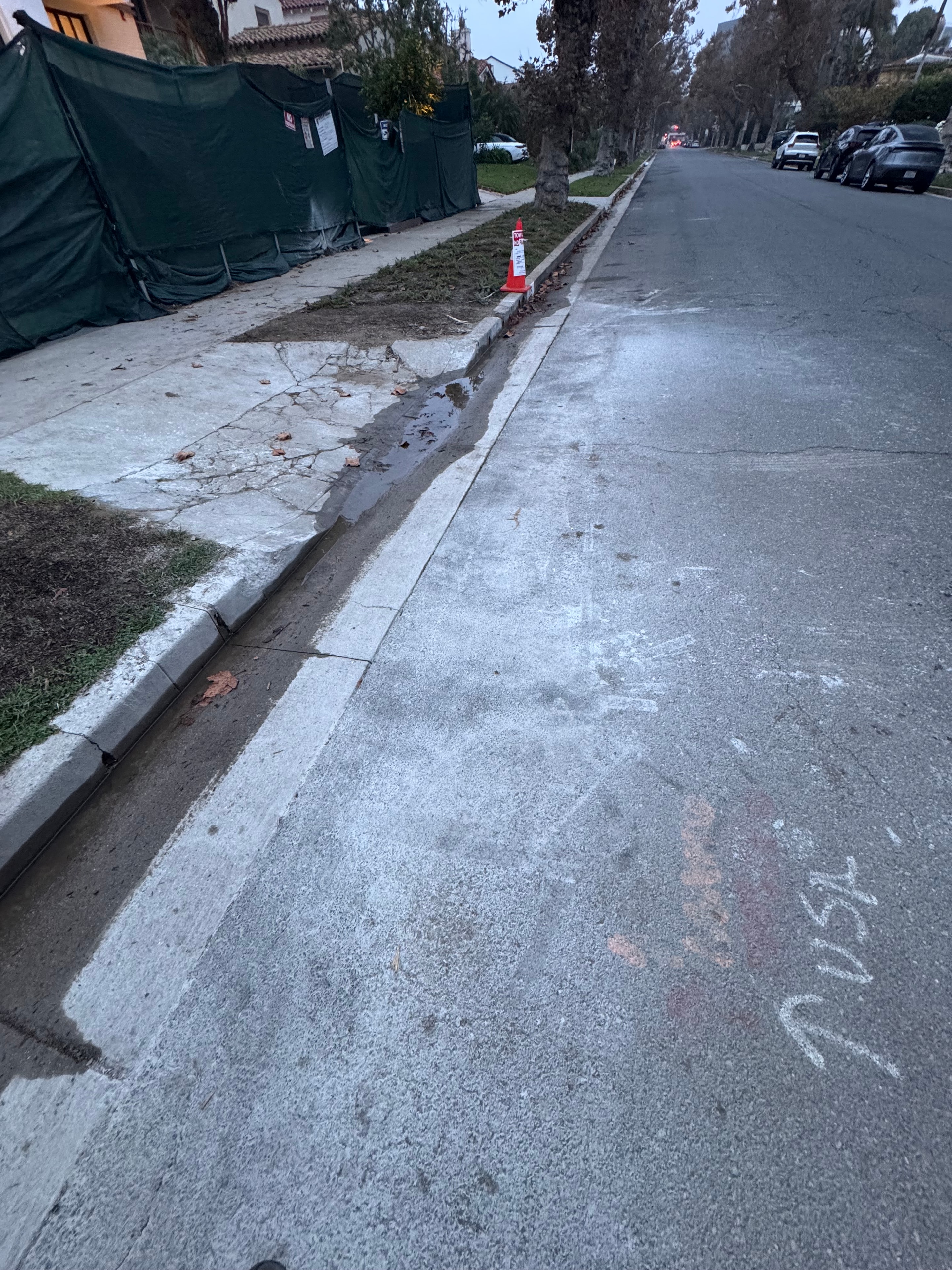
Cracks That Are Usually Nothing to Worry About
- Thin, hairline cracks that have stayed the same size for years
- Cracks that follow a control joint line rather than cutting across it
- Minor surface cracking on a patio or walkway with no vertical offset between the two sides
These are typically shrinkage or minor settlement cracks — cosmetic, and not a sign the slab is structurally compromised.
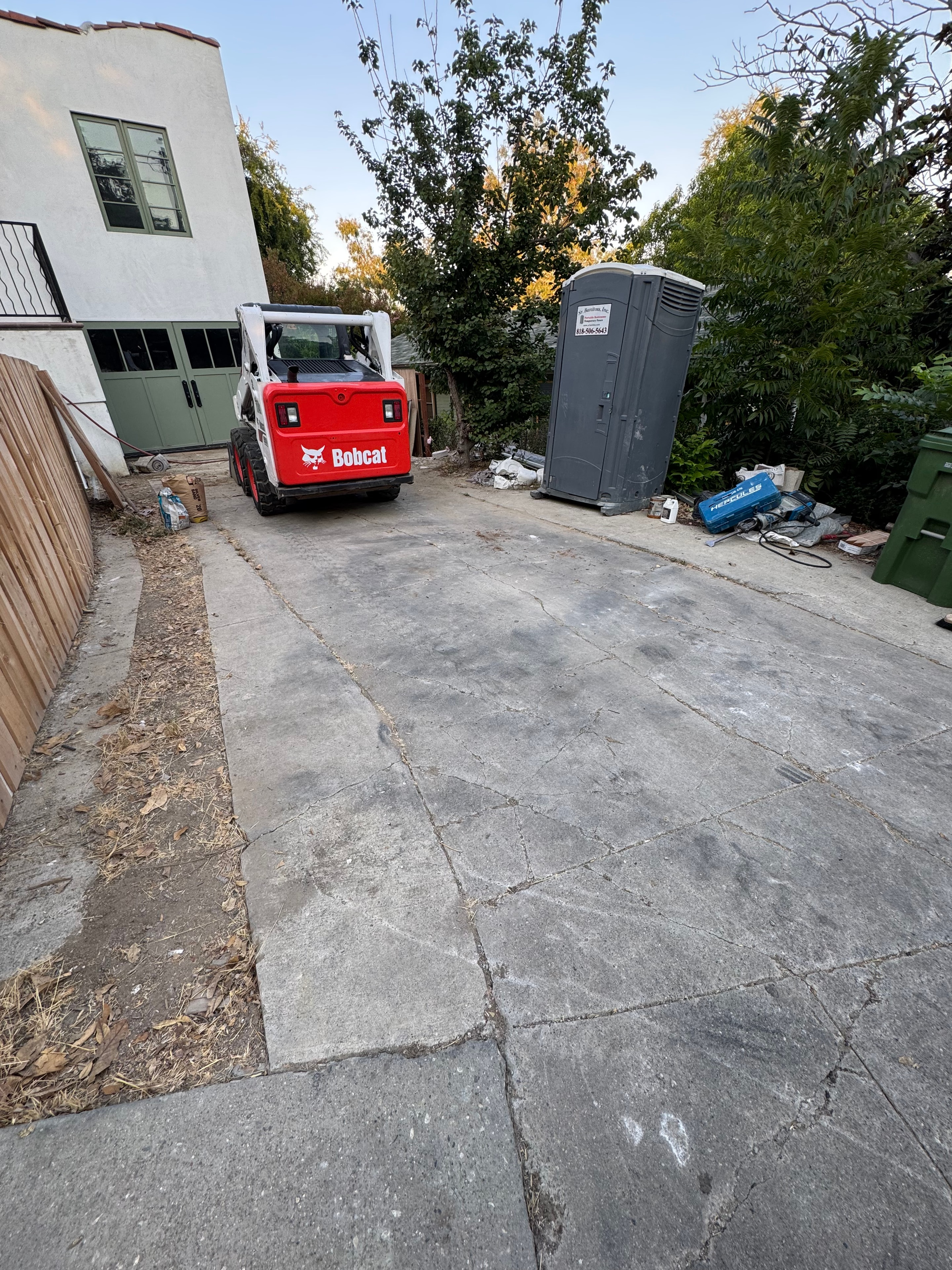
Cracks That Are Worth a Professional Look
- Cracks wider than about ¼ inch or that keep widening over months.
- Vertical displacement — one side of the crack is visibly higher or lower than the other.
- Cracks running through a foundation wall or footing especially diagonal cracks.
- Cracks paired with other symptoms doors or windows that stick, visible gaps where a wall meets the floor, or a slab that's pulling away from the house.
- Active water intrusion through a crack which points to a drainage or grading issue that needs to be addressed alongside the crack itself.
Any of these point to ongoing movement — from soil, drainage, or an undersized original installation — rather than simple shrinkage.
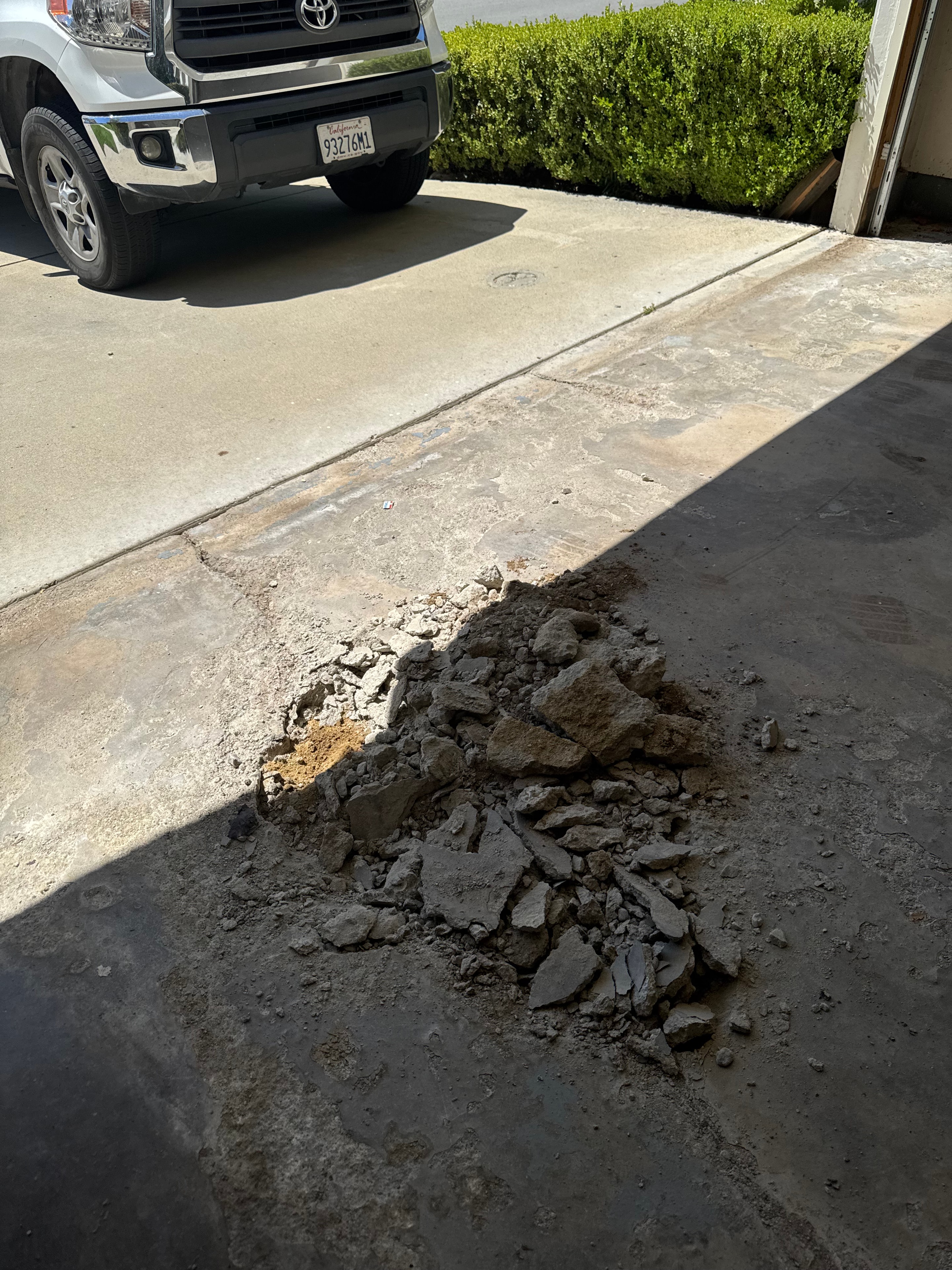
What Actually Fixes a Structural Crack
Surface patching only hides a crack; it doesn't stop whatever is causing the concrete to move. When cracking is tied to soil movement or settlement, the correct fix is either full-depth removal and replacement of the affected slab section, built with proper sub-base prep and reinforcement, or underpinning to stabilize and reinforce an existing foundation. Which one is right depends on what a site inspection turns up — soil conditions, drainage, the age and reinforcement of the existing concrete, and how far the movement has progressed.
When to Call a Contractor
If you're seeing a crack wider than a pencil, one that's growing, or one paired with doors that won't close right, it's worth having a licensed concrete contractor take a look before it gets more expensive to fix. Concrete Etc., Inc. offers onsite consultations throughout Santa Clarita Valley, San Fernando Valley, San Gabriel Valley, and Los Angeles County to assess cracking and recommend the right concrete repair.
Not sure if your crack is cosmetic or structural?
Concrete Etc., Inc. provides onsite assessments throughout Los Angeles County. We'll tell you exactly what you're dealing with and what it takes to fix it right.
Request a Consultation